
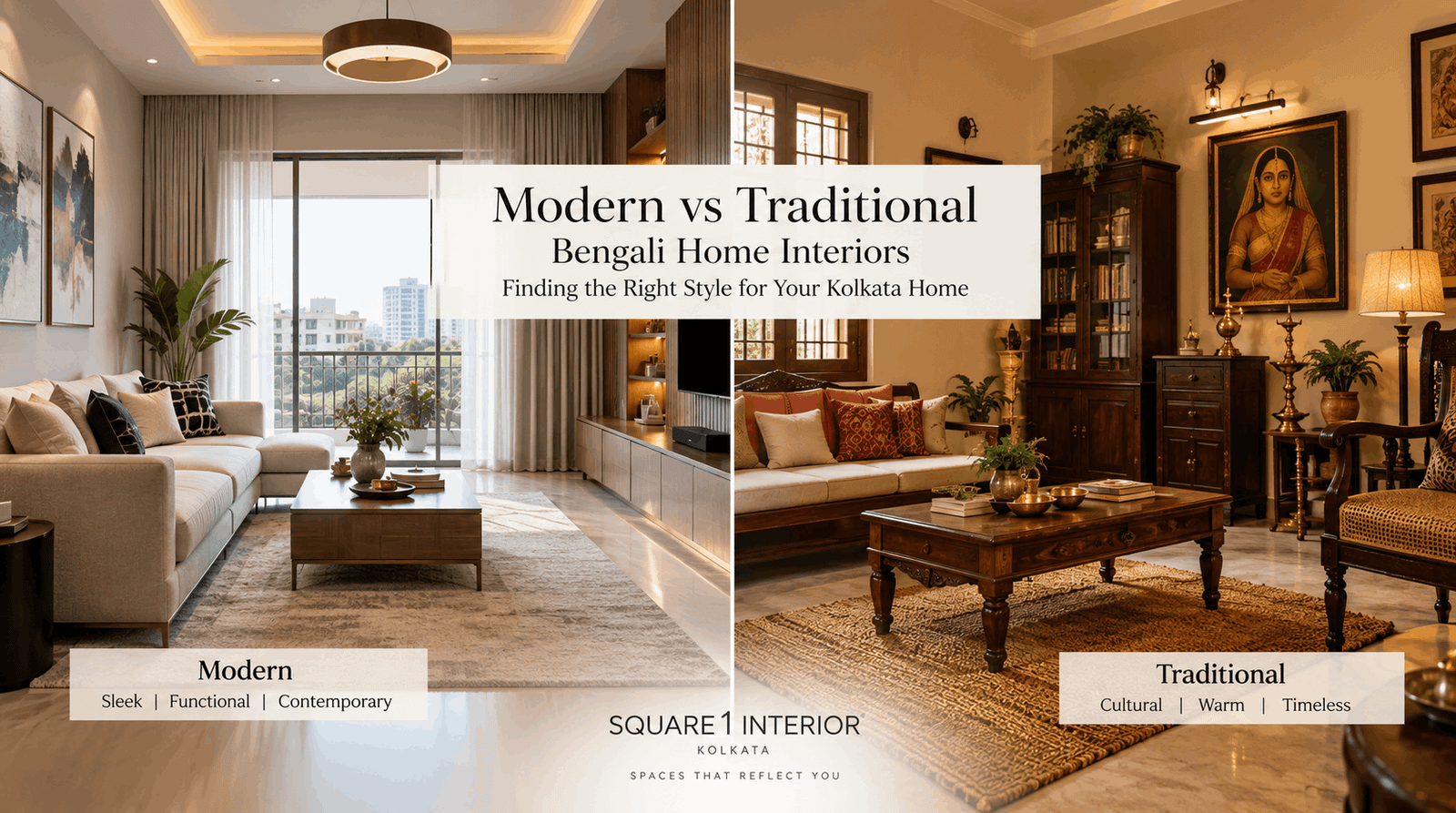
Explore modern and traditional Bengali interior design ideas for Kolkata homes, from wood and heritage elements to contemporary layouts, colours and lighting.
What makes a home feel truly yours?
Is it the colour of the walls? The furniture? The lighting? Or perhaps the small details that remind you of where you come from?
For many Bengali families in Kolkata, the answer is a combination of all of these.
Today’s homeowners often want a modern, organised and comfortable home while still retaining elements of Bengali culture. This has created an interesting interior design direction: traditional Bengali aesthetics blended with contemporary functionality.
You don’t necessarily have to choose between an old-fashioned home and an ultra-modern apartment.
With thoughtful planning, both styles can exist together.
What Defines a Traditional Bengali Interior?
Traditional Bengali homes often have a strong connection with natural materials, craftsmanship, art and cultural details.
Depending on the family and property, traditional influences may include:
- Wooden furniture
- Cane and bamboo elements
- Terracotta-inspired décor
- Brass accessories
- Handcrafted artwork
- Traditional Bengali paintings
- Rich textiles
- Antique-style furniture
- Warm colours
- Bookshelves and display cabinets
The purpose isn’t to fill every corner with traditional objects.
Instead, selected elements can create a sense of familiarity and character.
For example, a contemporary living room can include a beautifully crafted wooden cabinet or a traditional artwork without turning the entire room into a heritage-style space.
What Defines a Modern Kolkata Home?
Modern interior design generally focuses on simplicity, clean lines and functionality.
Common characteristics include:
- Minimal visual clutter
- Neutral colour palettes
- Integrated storage
- Modular furniture
- Contemporary lighting
- Simple wall treatments
- Open layouts
- Functional kitchens
- Sleek wardrobes
Modern design can be particularly suitable for urban apartments where space needs to be used efficiently.
But modern doesn’t have to mean cold or impersonal.
The right use of wood, textiles, artwork and warm lighting can make a contemporary home feel welcoming.
The Most Interesting Option: Bengali Contemporary Design
For many Kolkata homeowners, the most practical solution may be somewhere between the two.
Think of it as:
Modern functionality + Bengali character
This approach allows homeowners to enjoy contemporary convenience without losing cultural identity.
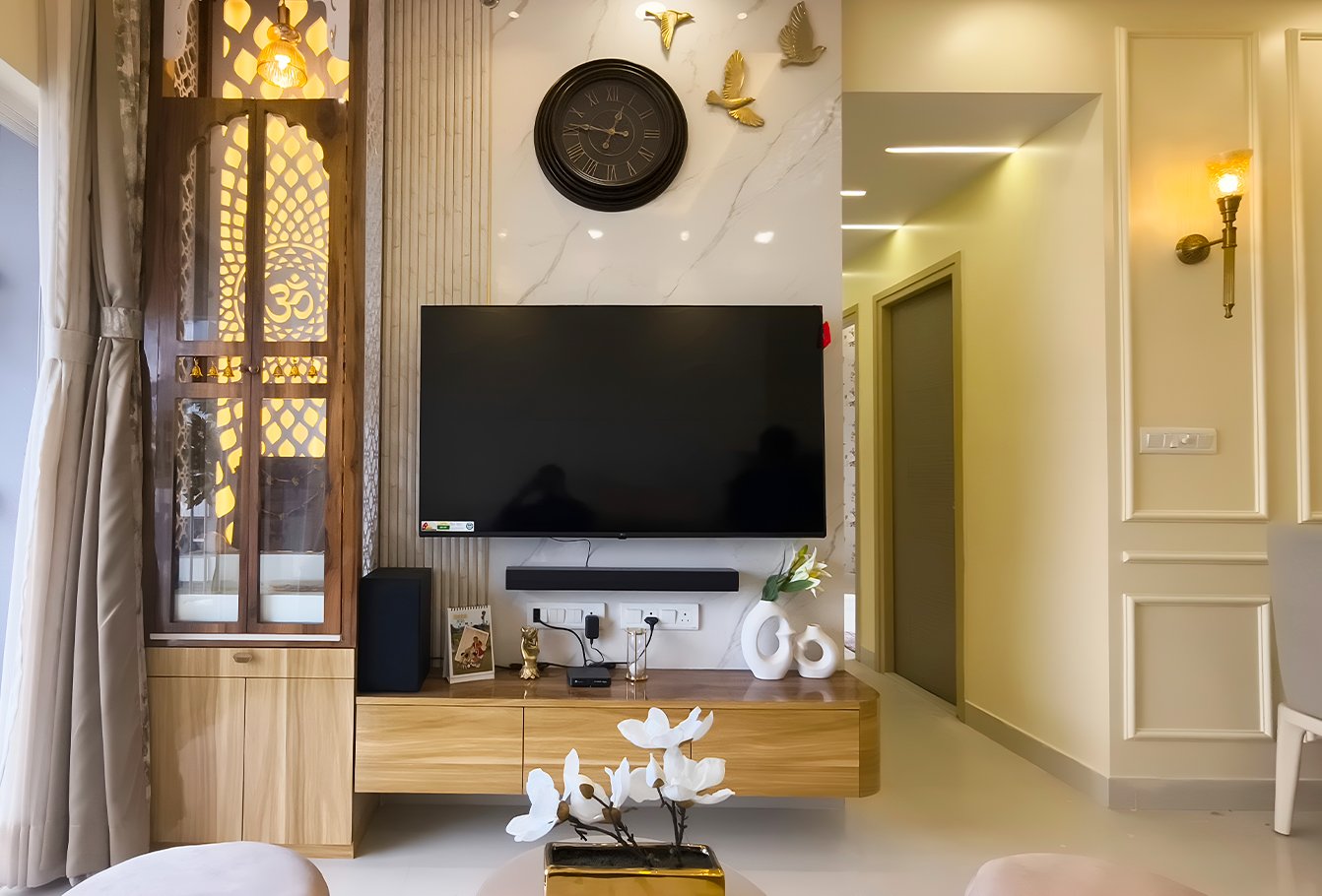
Imagine a living room with:
- A clean-lined TV unit
- Neutral walls
- Warm ambient lighting
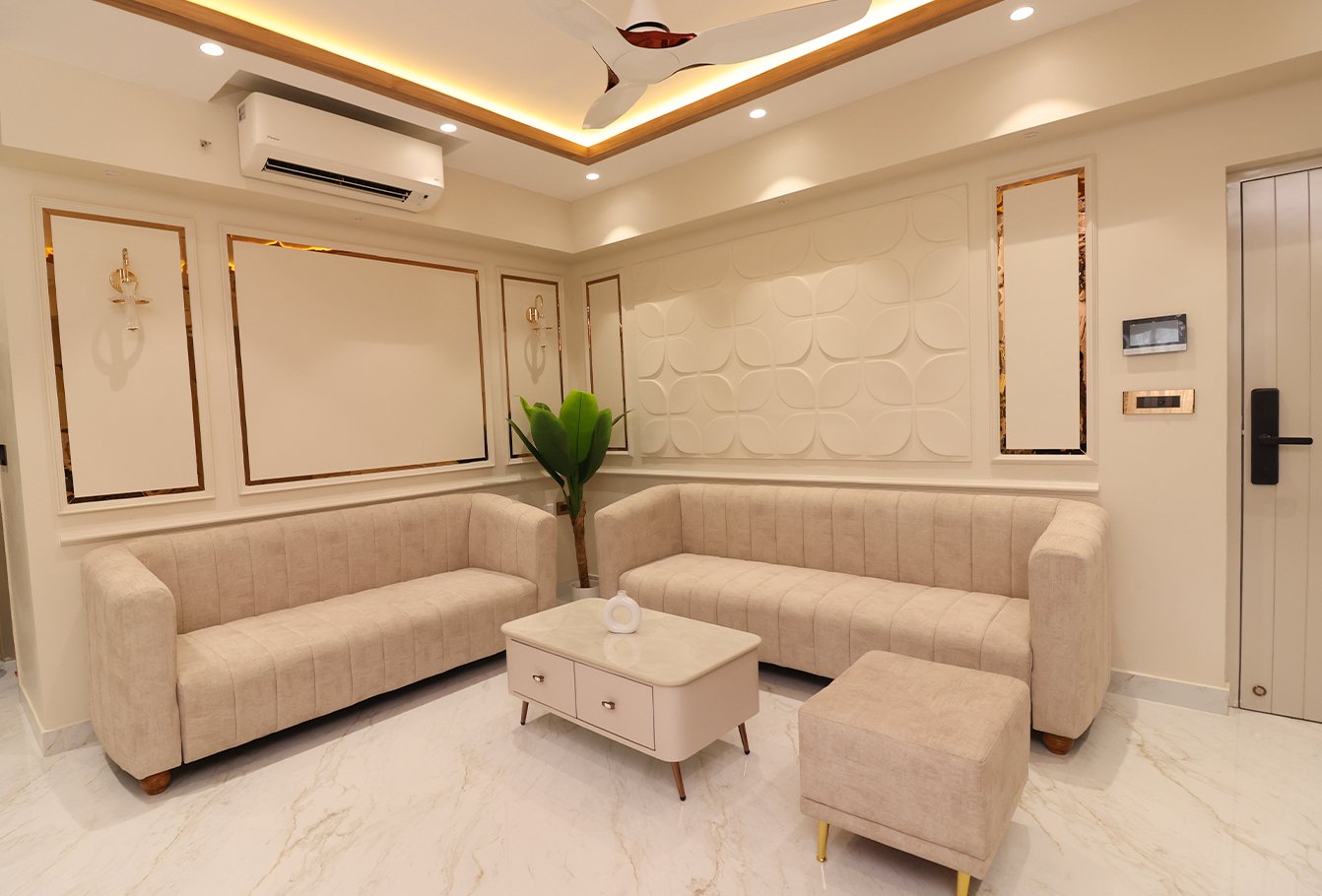
- Contemporary sofa
- Wooden furniture
- A Bengali artwork
- Brass décor
- Handcrafted accessories
The overall room remains modern, but it has a distinctly local personality.
1. Use Wood to Add Warmth
Wood has a natural ability to make a modern interior feel warmer.
Instead of using elaborate wooden furniture throughout the home, consider selected applications.
For example:
- Wooden TV panels
- Bed-back panels
- Floating shelves
- Dining furniture
- Display cabinets
- Wardrobe accents
The finish can determine the mood.
Lighter wood tones can create a contemporary appearance, while deeper tones can provide a more traditional feel.
2. Bring Bengali Art Into a Contemporary Home
Art can become one of the easiest ways to introduce cultural identity.
Instead of covering every wall with decorative elements, choose one or two meaningful pieces.
Possible directions include:
- Bengali folk-inspired artwork
- Traditional painting styles
- Kolkata-inspired artwork
- Terracotta artwork
- Handcrafted wall décor
- Black-and-white Kolkata photography
A carefully selected artwork can become the focal point of a room.
The surrounding furniture can remain simple so that the artwork receives visual attention.
3. Don’t Underestimate Brass & Metal Details
Brass elements can introduce a subtle traditional touch.
They can be incorporated through:
- Lamps
- Decorative objects
- Handles
- Small sculptures
- Table accessories
- Pooja-area details
The key is moderation.
A few well-placed brass elements can add character without making the interior feel overly traditional.
4. The Bengali Dining Experience
For many Bengali families, the dining area isn’t simply a place to eat.
It is a place where family conversations happen, guests are entertained and celebrations take place.
The dining area can therefore become an important design feature.
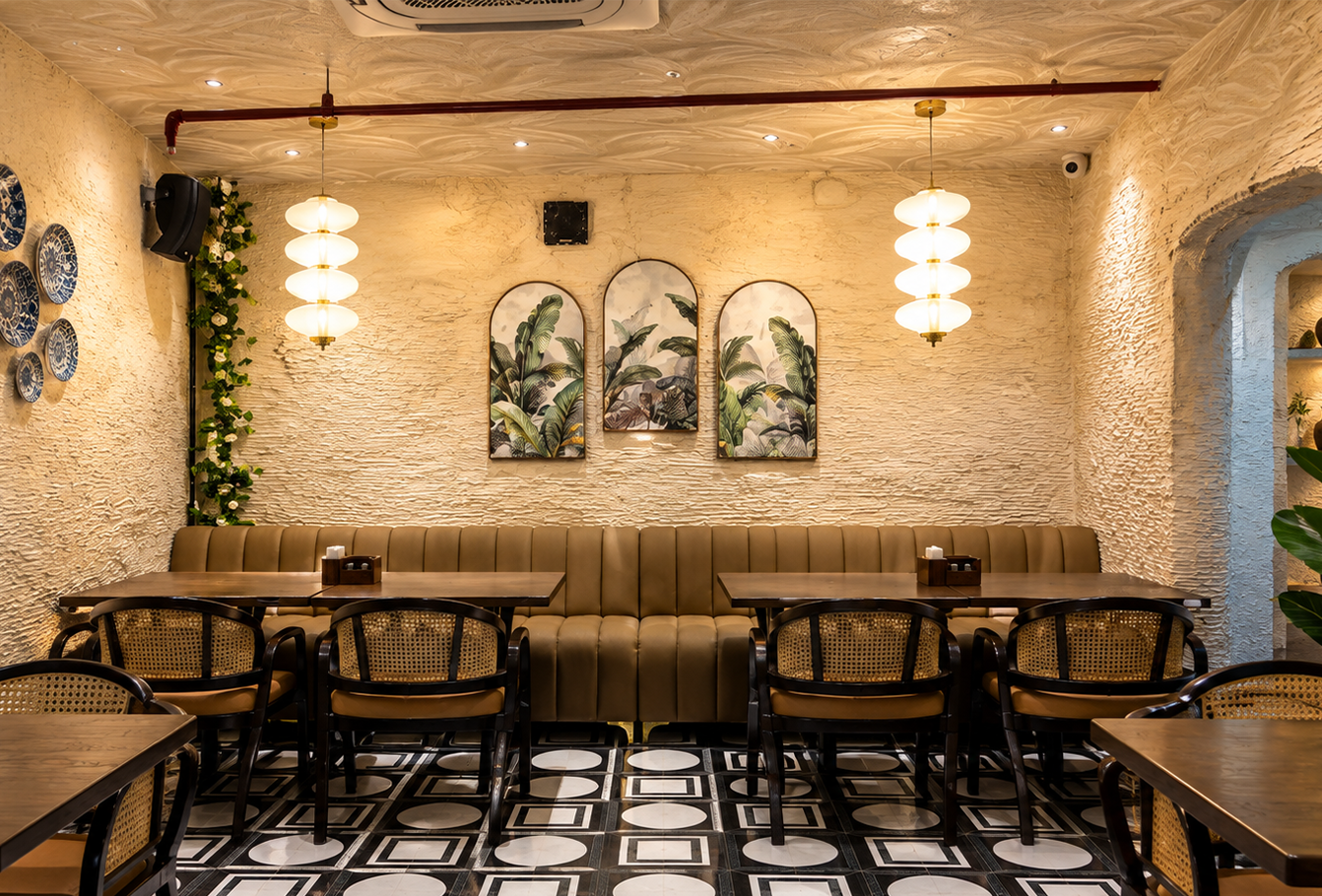
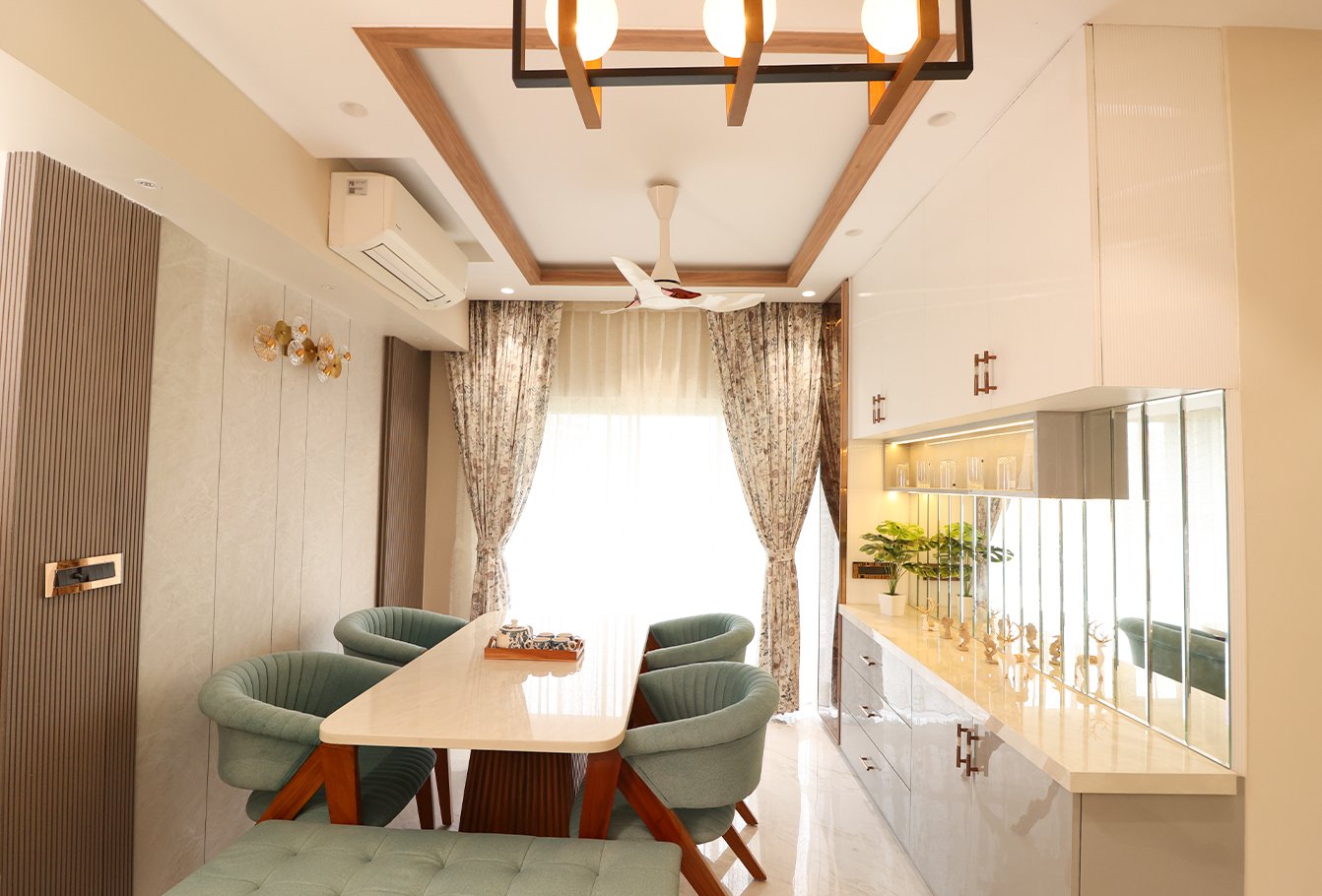
A contemporary dining setup can be enhanced with:
- Wooden dining furniture
- Pendant lighting
- Artwork
- A crockery cabinet
- Warm lighting
- Decorative wall elements
A traditional-inspired crockery cabinet can also provide practical storage while adding personality to the space.
5. Modern Modular Kitchen with Traditional Touches
The kitchen is one area where modern functionality is especially valuable.
Traditional open storage may look attractive, but contemporary modular systems can provide better organisation for many households.
A modern kitchen can still have cultural character through:
- Warm wood finishes
- Patterned backsplash
- Brass hardware
- Handcrafted accessories
- Traditional-inspired colours
The structure remains modern while the details provide warmth.
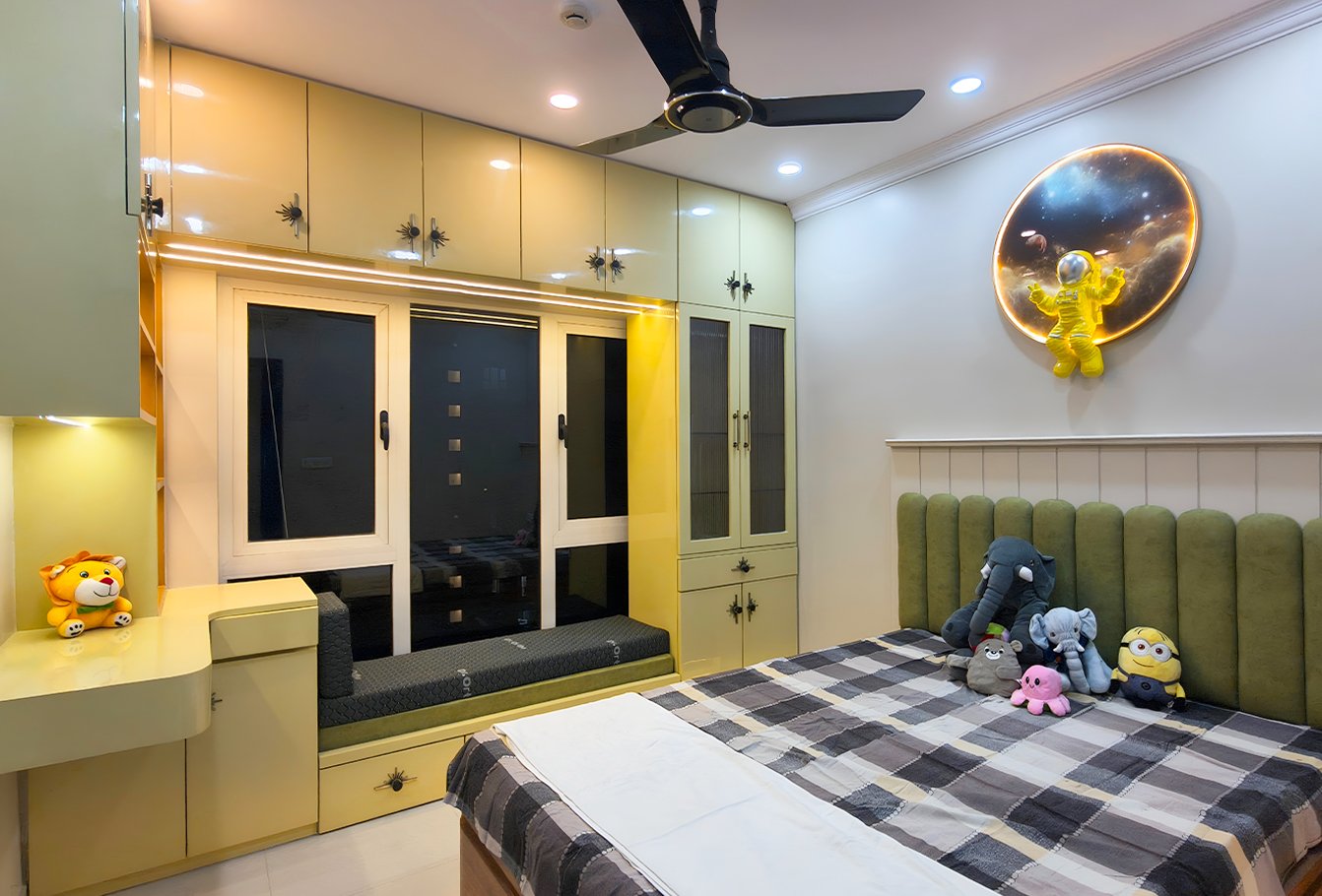
6. Bedroom Design: Keep It Calm
Bedrooms usually benefit from a more restrained approach.
Instead of adding numerous decorative elements, consider creating a calm environment with:
- Soft neutral colours
- Wooden accents
- Comfortable lighting
- Custom wardrobes
- Simple textiles
- Minimal décor
A traditional artwork or handcrafted piece can provide personality without dominating the room.
The bedroom should ultimately feel like a place to rest—not a showroom.
7. A Bengali-Inspired Pooja Space
For families who want a dedicated prayer area, the design can combine tradition with contemporary execution.
Depending on the available space, it can include:
- Wooden jaali
- CNC panels
- Backlit surfaces
- Brass elements
- Storage drawers
- Soft lighting
A compact pooja unit can be integrated into the home without consuming excessive floor area.
This is especially useful in modern apartments where dedicated rooms may not be available.
8. Colour Palette: Beyond the Typical Red & Yellow
Traditional Bengali aesthetics are sometimes associated with strong reds, yellows and earthy shades.
These colours can certainly be used, but they don’t have to dominate the interior.
A contemporary Bengali-inspired palette could combine:
Off-white + Natural Wood + Terracotta
or
Warm Beige + Deep Green + Brass
or
Soft Grey + Wood + Muted Red
The objective is to create a balanced environment rather than reproduce a traditional colour scheme literally.
9. Lighting Can Change the Entire Mood
Lighting is particularly important when combining traditional and modern elements.
Warm lighting can enhance:
- Wooden furniture
- Brass décor
- Artwork
- Textured walls
- Decorative pieces
Meanwhile, functional lighting should still provide sufficient illumination for everyday activities.
A layered lighting strategy can include:
Ceiling lighting + wall lighting + decorative lighting + task lighting
This gives the homeowner greater control over the atmosphere of different spaces.
10. Traditional Doesn’t Mean Old-Fashioned
One misconception about traditional interiors is that they must look like a heritage house.
That isn’t necessary.
A traditional influence can be extremely subtle.
For example:
Modern wardrobe + wooden bed + Bengali artwork + brass lamp
can create a culturally inspired bedroom without sacrificing contemporary functionality.
Similarly:
Modern sofa + minimalist TV unit + traditional artwork + wooden décor
can give a living room a strong Bengali identity while maintaining a modern appearance.
Modern vs Traditional: Which Should You Choose?
There is no universal answer.
It depends on your property and lifestyle.
| Feature | Modern Interior | Traditional Interior |
|---|---|---|
| Overall appearance | Clean & minimal | Warm & detailed |
| Furniture | Sleek & functional | Often heavier & character-driven |
| Storage | Integrated | Display & standalone options |
| Colours | Neutral & understated | Often richer & warmer |
| Décor | Minimal | More decorative |
| Materials | Mixed contemporary materials | Wood, brass, textiles, crafts |
| Maintenance | Often simpler | Depends on materials and décor |
| Cultural character | Can be subtle | Usually more visible |
But homeowners don’t have to select one side.
A hybrid approach can bring together the advantages of both.
Designing According to Your Home’s Architecture
The property itself should influence the design.
A modern high-rise apartment may naturally suit contemporary furniture and clean lines.
An older Kolkata house with larger rooms, traditional balconies or architectural details may provide opportunities for stronger heritage influences.
The interior should respond to the architecture instead of fighting against it.
For example, hiding beautiful existing architectural features behind excessive false ceilings or wall treatments may not always be necessary.
Sometimes, the best design decision is simply to preserve what already makes the property special.
Interior Design Should Reflect Your Family
Trends change.
Furniture styles change.
Colours change.
But your home should remain comfortable for your family.
Before choosing a design style, consider:
- How many people live in the house?
- Do you regularly host guests?
- Do you need a home office?
- How much storage is required?
- Do you collect books or artwork?
- Do you want a dedicated pooja space?
- Are there elderly family members?
- Do children need study areas?
- How much maintenance are you comfortable with?
These questions are often more important than choosing between “modern” and “traditional.”
The Role of a Professional Interior Designer
Creating a balanced Bengali-contemporary home requires more than selecting traditional décor.
The entire space needs to work together.
A professional interior design process can include:
Site Study → Requirement Analysis → Space Planning → Design Concept → Material Selection → 3D Visualisation → Execution Planning → Installation → Final Finishing
This allows cultural details to become part of the overall design instead of looking like additions made at the last minute.
Create a Kolkata Home That Feels Like Yours
Interior design doesn’t have to erase your identity.
Nor does preserving cultural identity mean giving up modern comfort.
A Kolkata home can have a contemporary modular kitchen, smart storage, modern lighting and clean furniture while still featuring Bengali artwork, natural wood, brass accents, handcrafted details and familiar colours.
The result can be neither completely traditional nor completely modern.
It can simply be your home—with a sense of where you come from and how you live today.
Planning Your Interior in Kolkata?
Square1 Interior, Kolkata approaches interior design around the specific needs of each space and its occupants.
From living rooms and bedrooms to modular kitchens, wardrobes, lighting, custom furniture and complete home interiors, the objective is to create spaces that balance appearance with everyday functionality.
Whether your inspiration comes from a traditional Bengali home, a modern Kolkata apartment or a combination of both, your interior should ultimately reflect your lifestyle, your taste and your story.
Square1 Interior, Kolkata
Modern living. Timeless character.



Customer Reviews
Nemo enim ipsam voluptatem quia voluptas sit aspernatur aut odit aut fugit, sed quia consequans magni dolores eos qui ratione voluptatem sequi nesciunt.
Nemo enim ipsam voluptatem quia voluptas sit aspernatur aut odit aut fugit
Nemo enim ipsam voluptatem quia voluptas sit aspernatur aut odit aut fugit, sed quia conse quans magni dolores eos qui ratione voluptatem sequi nesciunt.